

EU Parliament adopts no position on plant protection products in sensational plenary vote
- Details
Ban of plant protection products in ecologically sensitive areas off the table / Victory for farmers
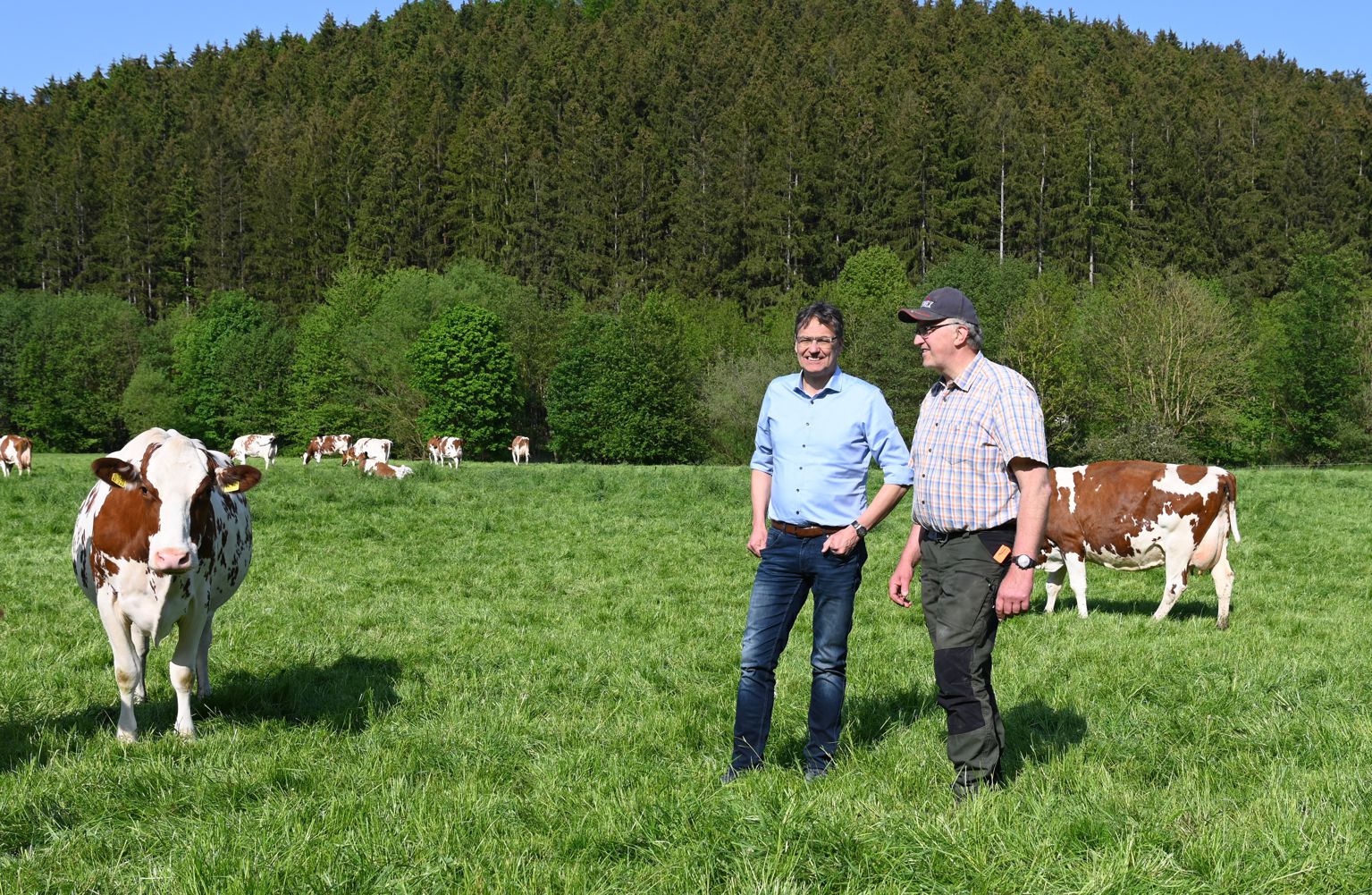
Today, Wednesday, the European Parliament adopted no position on the reduction of plant protection products in a highly controversial vote. Several elements had been subject of long discussions. This includes the already high targets proposed by the Commission to reduce the use of plant protection products that in the Environment Committee had even increased. The real living conditions of farmers and the position of the Committee on Agriculture had been hardly taken into account. The Commission also proposed a ban on the use of pesticides in so-called “ecologically sensitive areas”, including bird and nature protection areas. This would have jeopardized the work of many farmers in Europe whose farmlands lie in these areas. Fortunately, these proposals could be taken off the table in today’s plenary vote.
Read more: EU Parliament adopts no position on plant protection products in sensational plenary vote
Battle against Drug Shortages - Commission Presents Communication
- Details
Long-term changes to tender conditions are the most crucial point / Short-term measures also proposed
Peter Liese: The time is ripe for unified European efforts
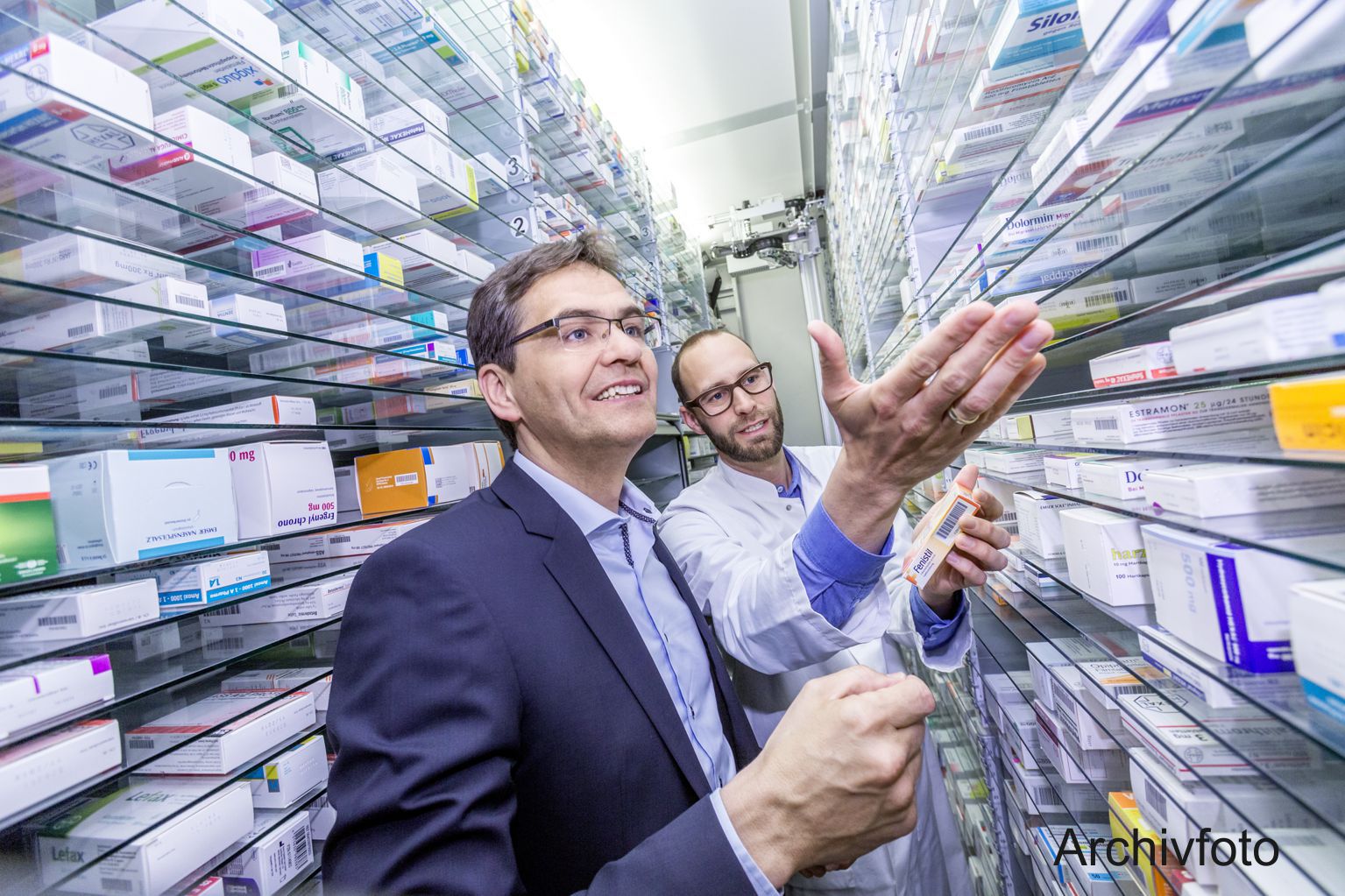
On Tuesday, the European Commission introduced a comprehensive paper addressing the drug shortage issue. The paper outlines both short-term and medium- to long-term measures. In detail, the European Commission proposes, among other things:
Read more: Battle against Drug Shortages - Commission Presents Communication
EU Institutions Agree on Reduction of Methane, a Climate-Damaging Gas
- Details

Peter Liese, Christian Ehler & Maria Spyraki: Good for the Climate / Pragmatic Approach Prevails in the End / No Obligation for Agriculture and No Restriction on Alternatives to Russian Gas
The European Parliament, along with the Commission and member states, reached an agreement on the reduction of methane, a climate-damaging gas. The proposal represents a compromise and is significantly more pragmatic than the original ideas of the Green Party's rapporteur, Jutta Paulus.
The environmental spokesperson Dr. Peter Liese along with colleagues Maria Spyraki and Dr. Christian Ehler, welcomed the outcome: “The regulation makes an important contribution to the reduction of climate-damaging methane, while the outcome is pragmatic because agriculture is initially exempted. Especially in the current phase, where food prices are rising, we must be extremely cautious about imposing burdens on agriculture. We also welcome that the rules for gas imports are flexible so that alternatives to Russian gas can continue to be used.”
Reduction of plant protection products right, but ban wrong
- Details
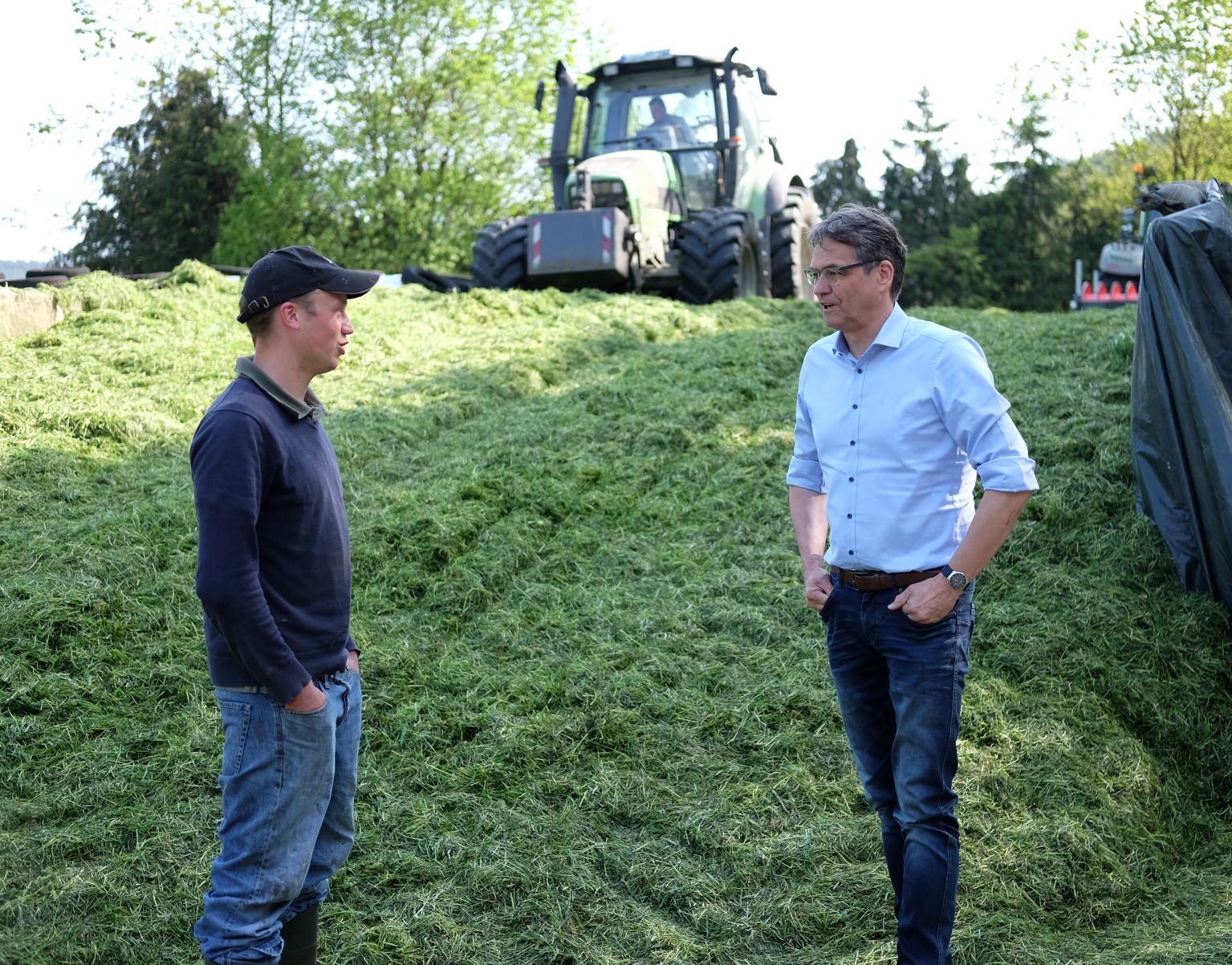
On Tuesday, the Environment Committee voted on a reduction of plant protection products and a complete ban of plant protection products in sensitive areas in the European Union. Peter Liese, spokesman on environment policy in the biggest group of the European Parliament (EPP, Christian Democrats) stated:
"The goal of reducing the use of plant protection products is right, but bans are wrong. That's why we reject a general ban on pesticides in so-called sensitive areas as well as a ban on glyphosate. Particularly in the current phase, when food prices are the driver of inflation, we must be careful not to drive costs up even further through political measures. The proposal for a total ban on pesticides is even opposed by conservationists in my region. Here, the Green rapporteur Sarah Wiener and those who support her compromise are overshooting the mark."