

Council plunders Innovation Fund
- Details
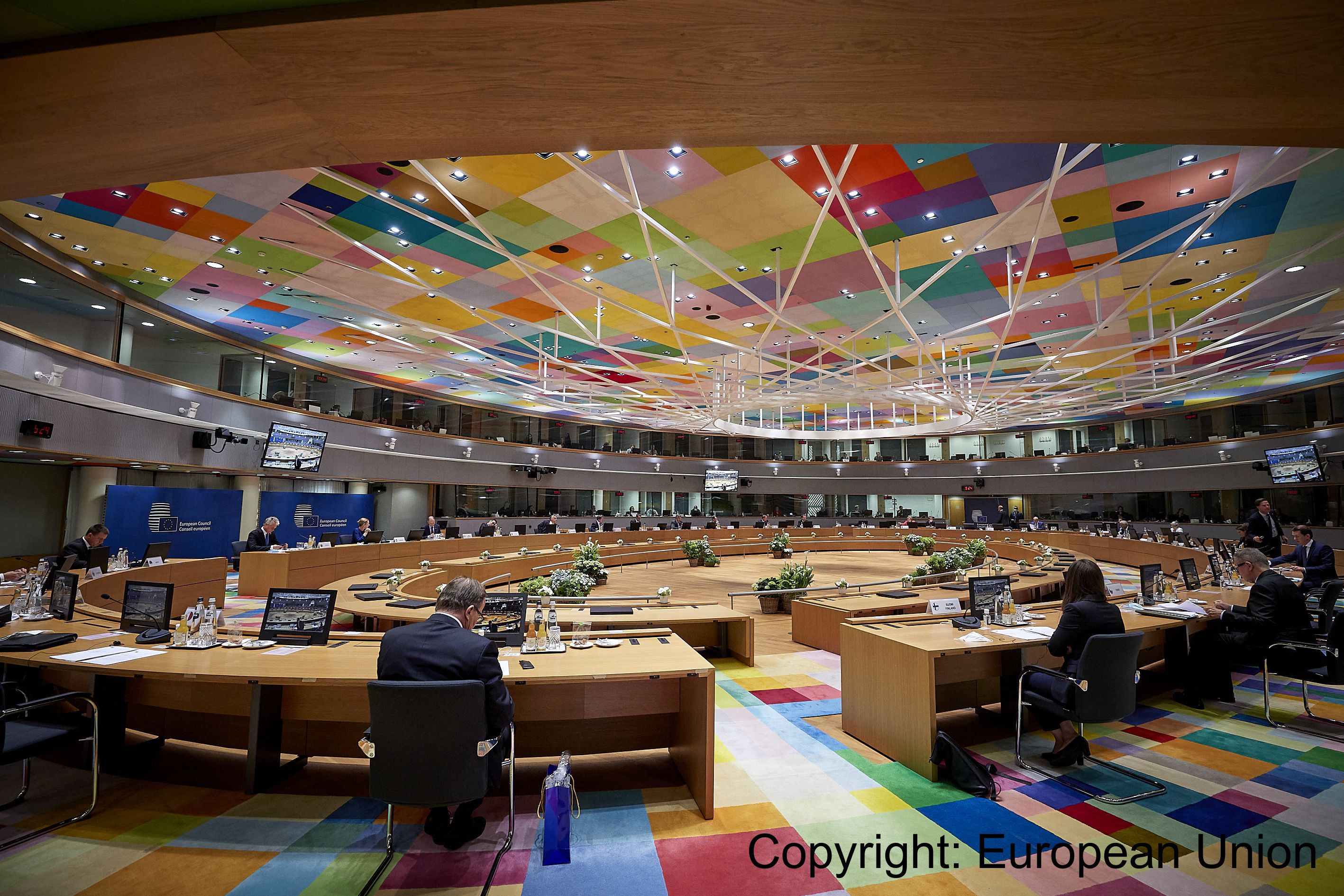
Unacceptable in times where jobs are threatened und United States supports carbon neutral industry
“The proposal of the European Council for REPowerEU and the ETS is completely unacceptable because it empties the Innovation Fund exactly in a time when we need more support for industry to create futureproof jobs.” This statement came from Peter Liese, environmental spokesperson of the biggest group in the European Parliament and Rapporteur for the ETS and for the related part in REPowerEU from ENVI side.
The two legislative files will come in the final state of negotiations both next week on Tuesday, 13 December (RPEU) and Friday, 16 & 17 December (ETS). “If one adds the Council’s mandate on both files, the Innovation Fund that should support industry on the way to decarbonize and create futureproof jobs in a changing world will be reduced from 930 million allowances according to the Commission proposal to 412.5 million allowances. This is even less than in the existing ETS and this is unacceptable in a time when industry has a lot of challenges and we still ask them to achieve very ambitious climate targets and at the same time the US office with their IRA provides a huge support in particular for those companies that commit to the path of climate neutrality. That’s why we have to fight hard.
Some say it’s historic: EU institutions preliminarily agree to the inclusion of the maritime sector in the EU ETS
- Details
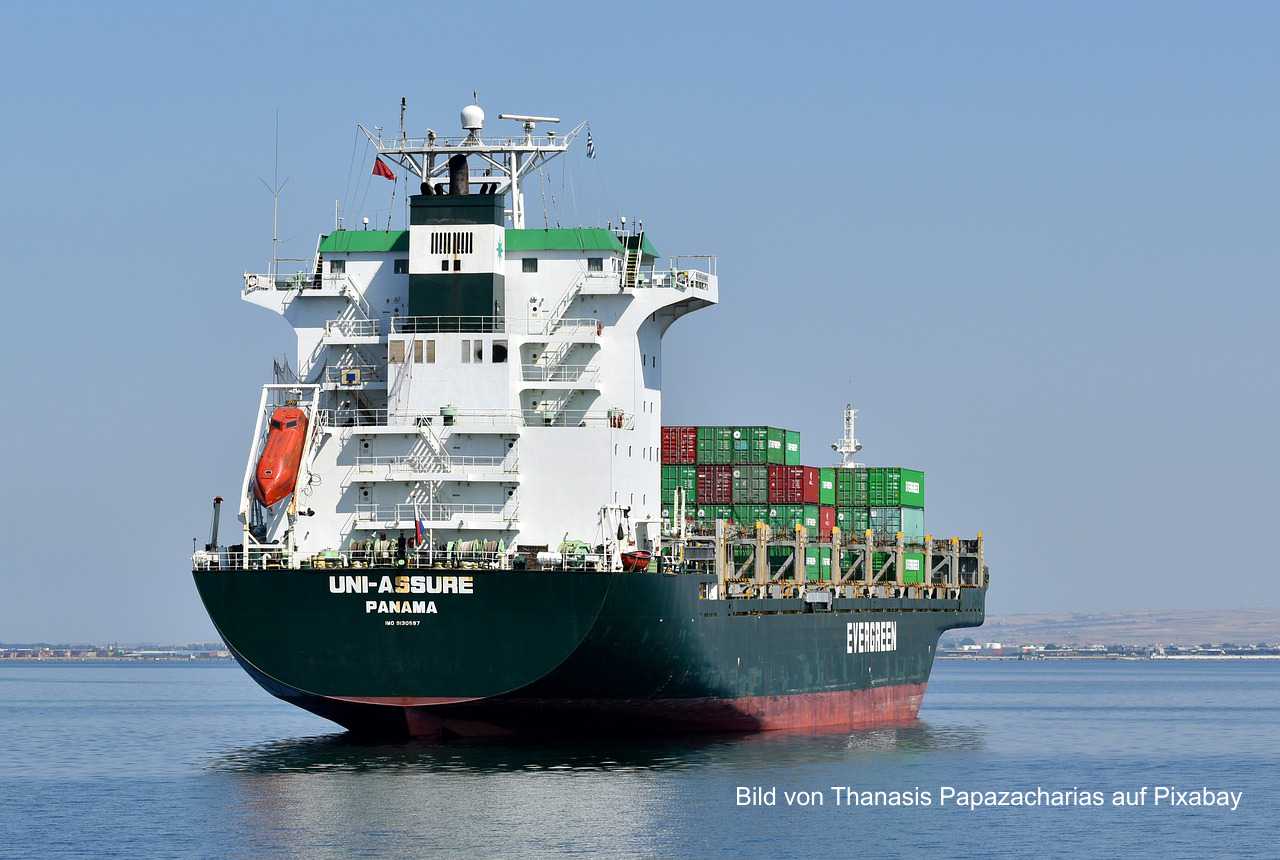
Additional greenhouse gases to be covered / 20 million allowances for innovation / Phasing-in from 2024, full scope 2026 / 20 million tonnes reduction of CO2 more than in the Commission proposal
“The European Parliament, the Council of Ministers represented by the Czech Presidency and the European Commission agreed preliminarily on the conditions on how to include maritime emissions in the EU ETS during the so-called trilogue late Tuesday evening. This agreement is called ‘historic’ by some because for more than ten years the European Parliament, many experts, in particular from the environmental field, many member states and the Commission pushed for this inclusion.
Now it is close to a formal agreement. As proposed by the Commission, not only trips inside the EU but also trips from EU port to third countries and for third countries to EU port (50%) will be included.
Massive problems in the supply of medical devices, for instance for cardiac catheters for children
- Details
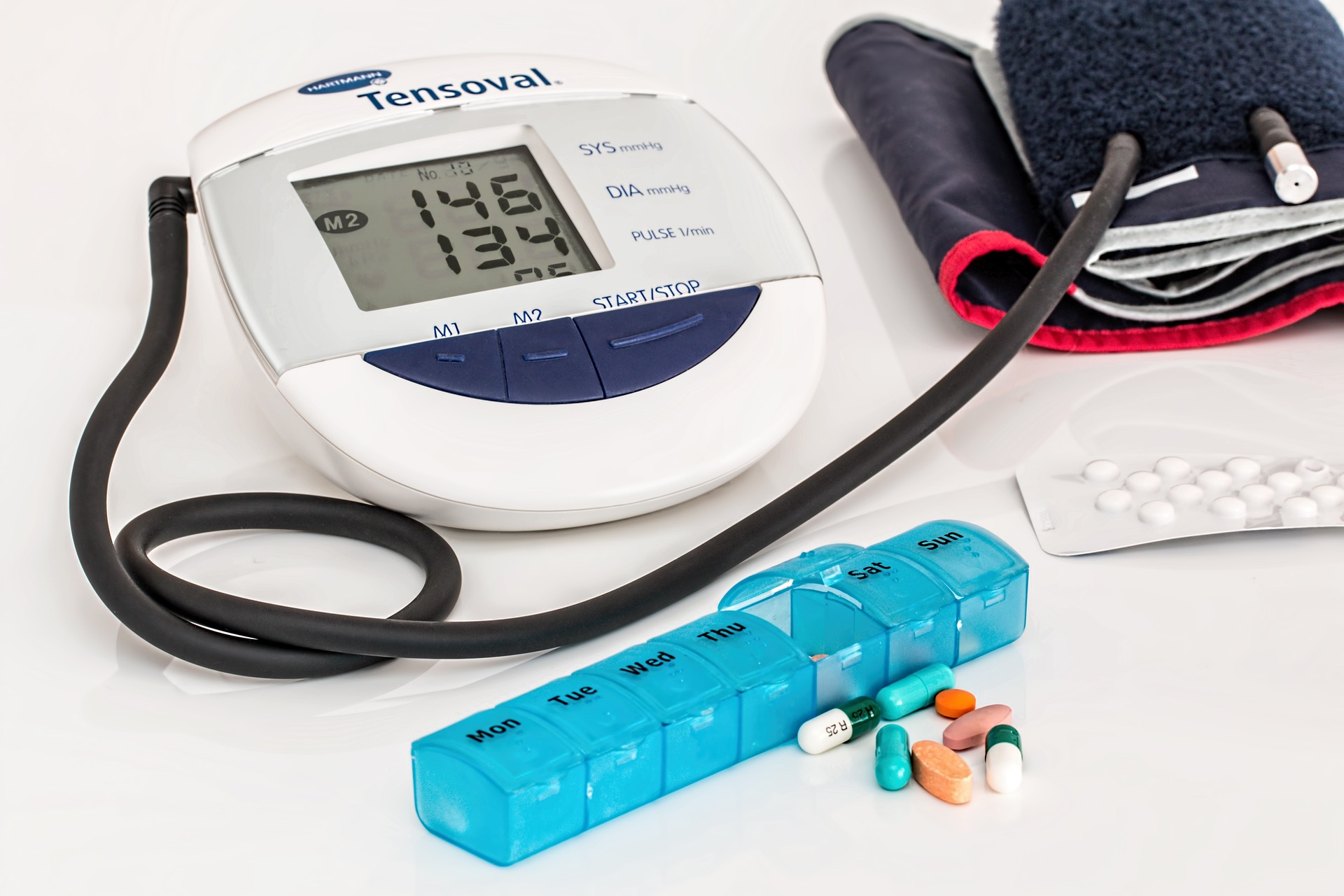
Lives of pediatric patients are at risk and rapid action is needed / Environment and Health Committee letter to the Commissioner / Council of Health Ministers meeting on Friday
"The lives of many patients, especially children, are in danger. In consequence, the European Commission must now act very urgently," demanded CDU MEP Peter Liese on the occasion of the meeting of European Health Ministers on Friday and the increasing supply shortages of medical devices such as cardiac catheters for children.
Liese, who used to work in a children's hospital, reported, "My colleagues, especially from pediatric cardiology and pediatric surgery, warn that many products are already in short supply and that they can no longer treat children according to the latest medical standards. For them, every day counts. After my letter to the President of the European Commission, Ursula von der Leyen, and Health Commissioner Stella Kyriakides many months ago, the Environment and Health Committee as a whole has now joined me and composed a text to the Commission. Although the European Commission has some ideas on how to tackle the problem, it does not yet want to present a concrete legislative proposal but wants to first discuss it with the health ministers. I find this unacceptable. This proposal must be put forward as soon as possible. I will then work to ensure that a proposal with a real solution to the problem is quickly adopted in the European Parliament."
CDU politicians, scientific experts and industry representatives call for more commitment to carbon removal from the atmosphere
- Details
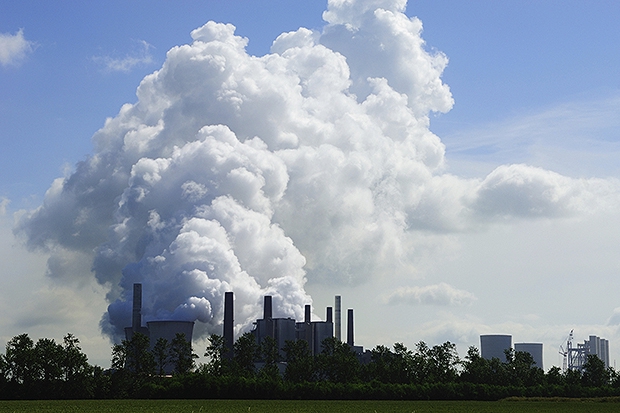
Without natural and technical sinks we will not reach our climate targets
Commission proposal expected for Wednesday/ Inclusion in emissions trading under consideration
Experts from CDU/CSU, science and industry called for a stronger commitment of the European Union and the Member States to so-called negative emissions, or technologies to remove CO2 from the atmosphere. In this respect, they generally welcome a proposal of the European Commission on a certification framework for carbon removal, which is expected for tomorrow, Wednesday. In a video conference, Peter Liese, the EPP Group’s Spokesman on Environment; Andreas Jung, the CDU/CSU Group’s Deputy Chair and Spokesman for climate and energy in the German Bundestag; Peter Jahr, the EPP shadow for agriculture, as well as Felix Schenuit, German Institute for International and Security Affairs (SWP) & CDRterra and Anastasios Perimenis, Secretary General of CO2 Value Europe, commented on the expected Commission proposal.